








SAN FRANCISCO — The cryptocurrency industry faces a converging set of threats as security researchers warn that artificial intelligence is accelerating the timeline for quantum computing attacks on blockchain encryption, while veteran crypto advocates predict a market correction that could eliminate overvalued altcoins and memecoins.
Quantum Threat Timeline Contracting
Security experts specializing in post-quantum cryptography describe a rapidly evolving landscape in which AI serves dual roles—as both a weapon for potential attackers and a defensive tool for those building next-generation security systems. The traditional estimates for when quantum computers could break existing encryption standards have compressed significantly.
"We're seeing AI reduce the time it takes to identify vulnerabilities and optimize attack strategies," said one blockchain security researcher who spoke on condition of anonymity. "What we thought was a decade-away problem may be much closer."
Altcoin Market Faces Pressure
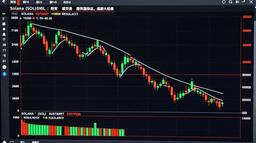
Separately, Blockstream CEO Adam Back renewed his long-standing criticism of alternative cryptocurrencies, suggesting market efficiency may finally be catching up with assets he considers fundamentally weak. Back wrote on social media that he had expected the efficient market hypothesis to push altcoins toward zero, noting he made a similar prediction approximately a decade ago.
The criticism targets what Back describes as "air tokens, altcoins, memecoins"—assets that lack meaningful utility or technological differentiation from Bitcoin.
Industry Must Adapt
The convergence of these threats presents challenges for cryptocurrency holders and developers. While quantum-resistant blockchain protocols remain in development, the market continues to allocate capital to speculative assets with questionable fundamental value. Industry observers suggest the coming period may separate genuinely innovative projects from those relying primarily on speculation.
Security teams working on post-quantum solutions emphasize that the industry has viable paths forward—but that preparation must begin immediately given the accelerating timeline.